Giant Grouper (Epinephelus giant)
Fish in the family Serranidae. Expert care. Not Reef Safe.
Quick facts
Appearance
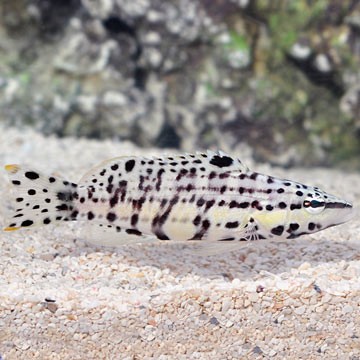
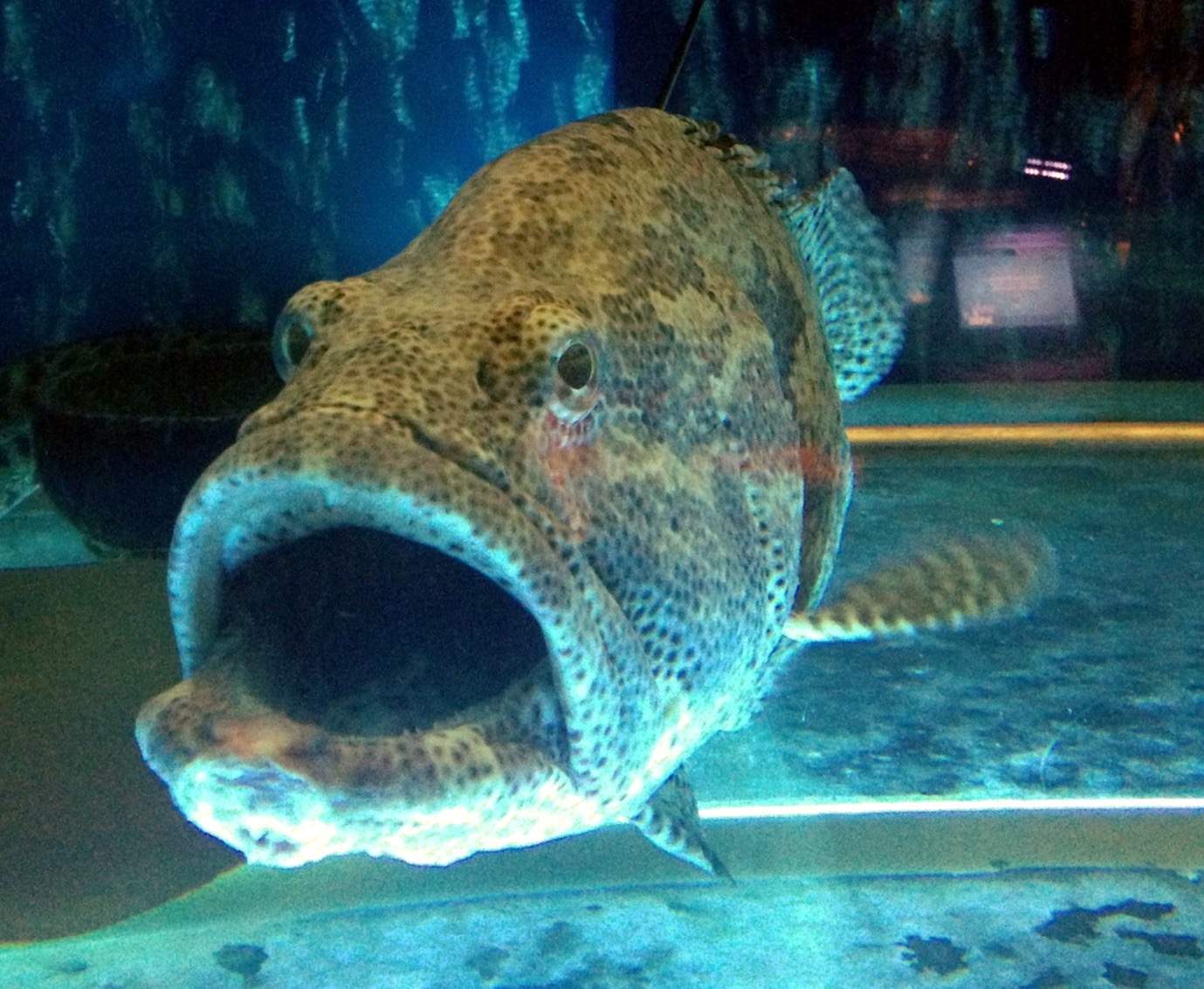
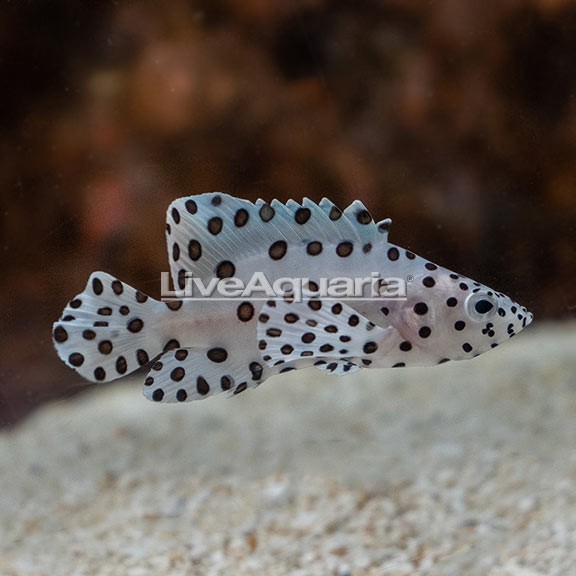
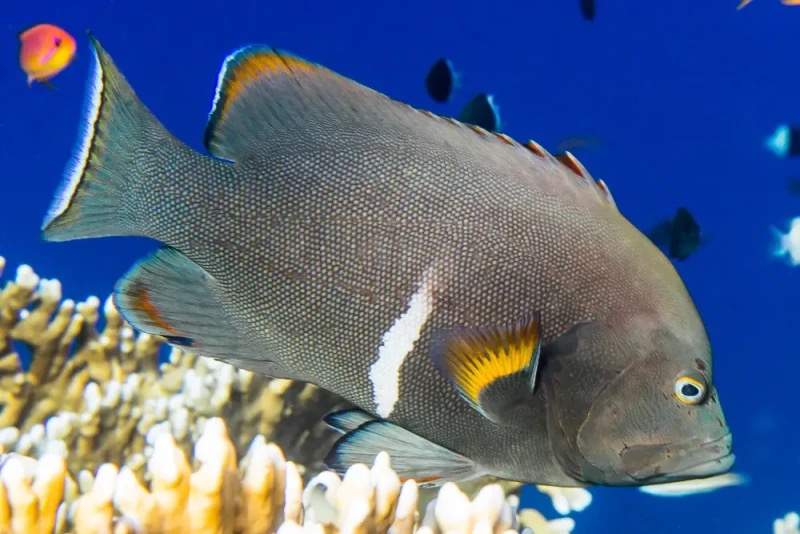
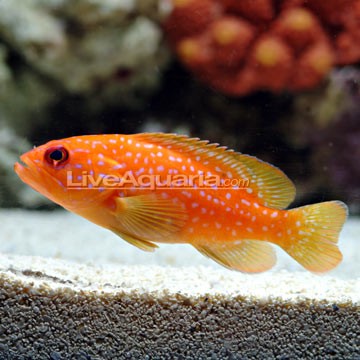
The Giant Grouper is a massive, robust fish with a large mouth and thick body. Adults develop a mottled brown to grayish coloration with darker spots and blotches that may fade with age; juveniles are more distinctly patterned with lighter body coloration and darker markings. The dorsal fin has 11 spines and 15–17 soft rays, and the fish exhibits the characteristic serranid body shape with a compressed, deep body.
Diet and feeding
Feed live or frozen fish such as mackerel, herring, and squid. Juveniles may accept smaller feeder fish and crustaceans; adults require whole fish or large pieces. Feed every 2–3 days as they are slow digesters.
Difficulty and care for the Giant Grouper
Only suitable for expert aquarists with very large systems. Giant Groupers grow to over 3 feet, require massive tanks (minimum 1000 gallons), consume live prey, and are highly aggressive. They are long-lived and rarely thrive in home aquaria; most specimens decline over time.
Common health issues
Parasitic infections, bacterial infections from poor water quality, decline in captivity due to stress and insufficient space
Origin and habitat
Indo-Pacific from the Red Sea and East Africa to Australia and the Great Barrier Reef, ranging north to the Philippines and west to the Persian Gulf. Found in coastal reef environments, particularly around drop-offs and rocky outcrops.
Log Giant Grouper in your reef tank
Reef Trak gives you the full record on every species in your tank: acquisition date, source, photos, parameters at time of stocking, and links to maintenance and feeding events. Track Giant Grouper alongside everything else in your reef.
Related Fish